In recent years, "parasite cleanses" have surged in popularity across wellness communities, social media, and natural-health forums.
What Is a Parasite Cleanse?
A parasite cleanse typically refers to a regimen--often herbal, sometimes dietary--promoted as a way to remove parasites from the body.
Many herbal protocols borrow from traditional medicine systems where certain plants--like wormwood, clove, and black walnut--were historically used for digestive cleansing.
How Long Do People Usually Do a Parasite Cleanse?
There's no single universal schedule, and holistic practitioners vary widely in their approaches. Still, many wellness protocols follow similar patterns:
1. A 2-4 Week Herbal Cycle
This is most common.
People often choose:
2 weeks on + 1 week off + 2 weeks on, or
3-4 continuous weeks, followed by a break
The "off" weeks are believed to give the body time to rest and allow detox pathways to catch up.
Commonly Discussed Binders in Holistic Wellness
Activated charcoal - Used traditionally to adsorb unwanted compounds in the gut
Bentonite clay - A natural clay thought to bind toxins and support digestion
Diatomaceous earth (food grade) - Used in some holistic regimens for gut support
Psyllium husk - A gentle fiber that helps move waste through the colon
Chlorella - A nutrient-dense algae used to support detox pathways
Apple pectin - A fruit-based fiber that supports regular elimination
How People Typically Use Binders Holistically
Many protocols recommend taking binders:
Away from herbal supplements (e.g., 1-2 hours after herbs)
A Balanced Approach to Gut Health
Even if you're not dealing with parasites, many of the ideas around parasite cleanses overlap with general gut-friendly habits. You can support digestive health safely through:
A fiber-rich, whole-foods diet
Staying hydrated
Probiotics or fermented foods
Limiting alcohol and overly processed foods
Managing stress
__________________________________________________________________________________________________________________________________
WHAT'S HAPPENING WITH THE BEE POPULATION?
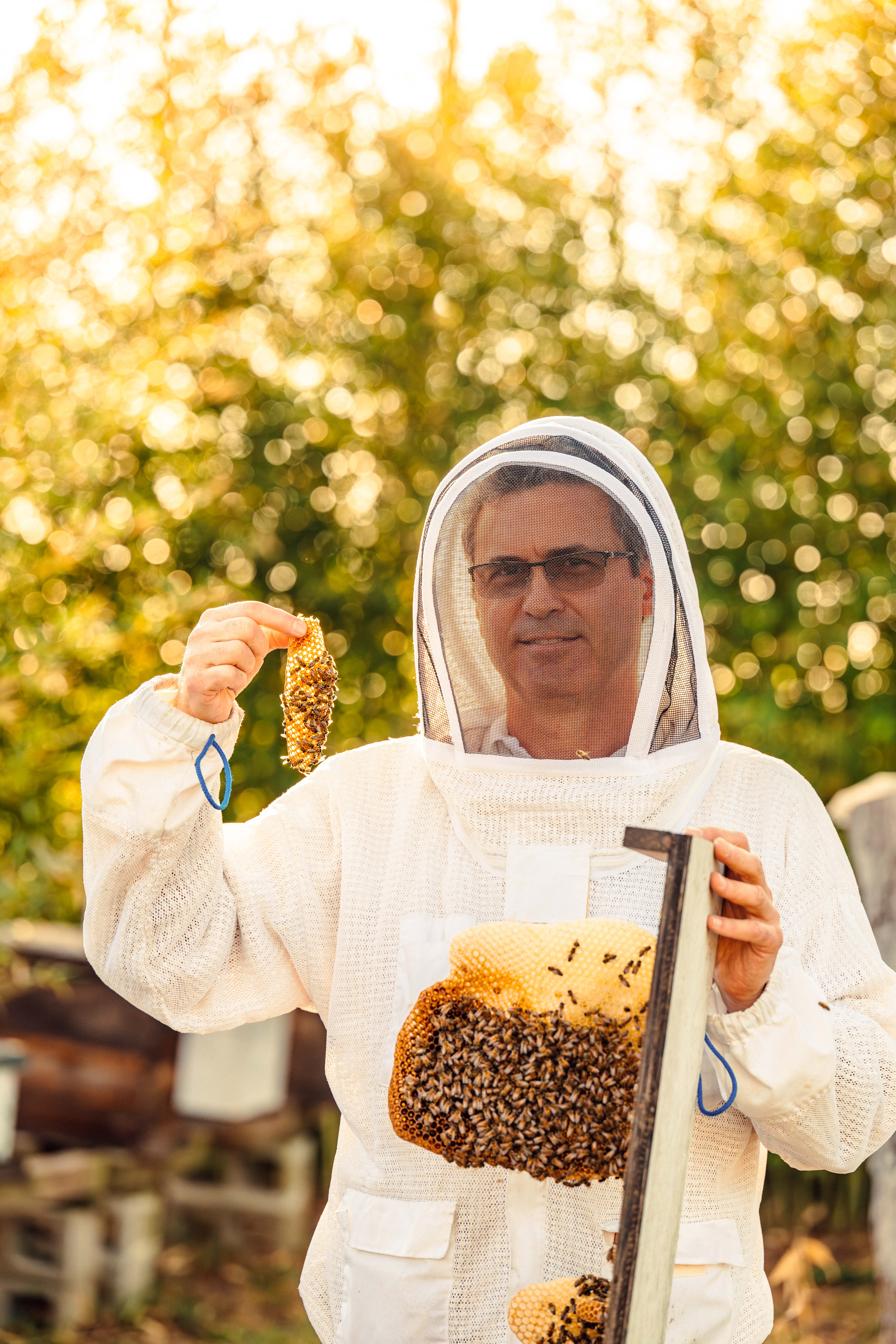
Baton Rouge is buzzing with local honey and we are lucky enough to have one of the best beekeepers/ educators right in our backyard!
Kevin Langley, who keeps some of his bee hives on our property behind our store, has made it his mission to support other beekeepers and rescue bee colonies from homes and businesses across south Louisiana.
Kevin also serves as the President of the Capital Area Beekeepers Association and the Vice President of the state association. His work focuses on education and consulting with commercial beekeepers and scientist.
All across the country, beekeepers are reporting devastating losses in their bee colonies. Scientist have not figured out the exact cause but it could be detrimental to our food supply.
Pollinators are responsible for one-third of food in the U.S. Without bees, we could lose 130 types of fruits, nuts, & vegetables.
Kevin says our food security (to a degree) is dependent on migratory beekeeping, where 2.7 million bee colonies are transported to help pollinate crops across the country.
HOW CAN WE HELP THE BEES?
1. Plant a bee-friendly garden with wild flowers and plants with long blooming periods like Lavender and Marigolds. This provides the bees with a continuous food source into the fall.
2. Leave a small area of your yard untended. This allows flowering weeds to grow.
3. Leave out a shallow tray of water with pebbles. Bees need water to survive and regulate hive temperature.